
ENERGY REAL ESTATE / GLENWOOD, ILLINOIS / PROJECT COORDINATION
Land potential.
Responsible decisions.
Solar and storage real estate connects a landowner’s interests with development economics, technical feasibility, public processes, and the future care of the site.
- Project context
- Glenwood solar
- Dependencies
- Interconnection & approvals
- John’s role
- Real estate transaction coordination, municipal engagement & diligence planning
The Glenwood engagement.
John supported real estate transaction coordination, worked with the development team, and helped prepare for municipal discussions. The work connected commercial terms and diligence planning with interconnection and discretionary approval milestones.
The engagement illustrates how the land transaction and the development process need to stay connected. A commercially promising use still depends on findings and decisions outside the purchase or lease itself.
Protect the landowner’s position.
Paladin brings site control, time for diligence, development milestones, responsibilities, and the client’s alternatives into commercial discussions. The objective is to understand what is being committed, for how long, and what must happen before the project can proceed.
What could the land support?
Explore two representative Illinois views, then consider the obligations behind the change in use.
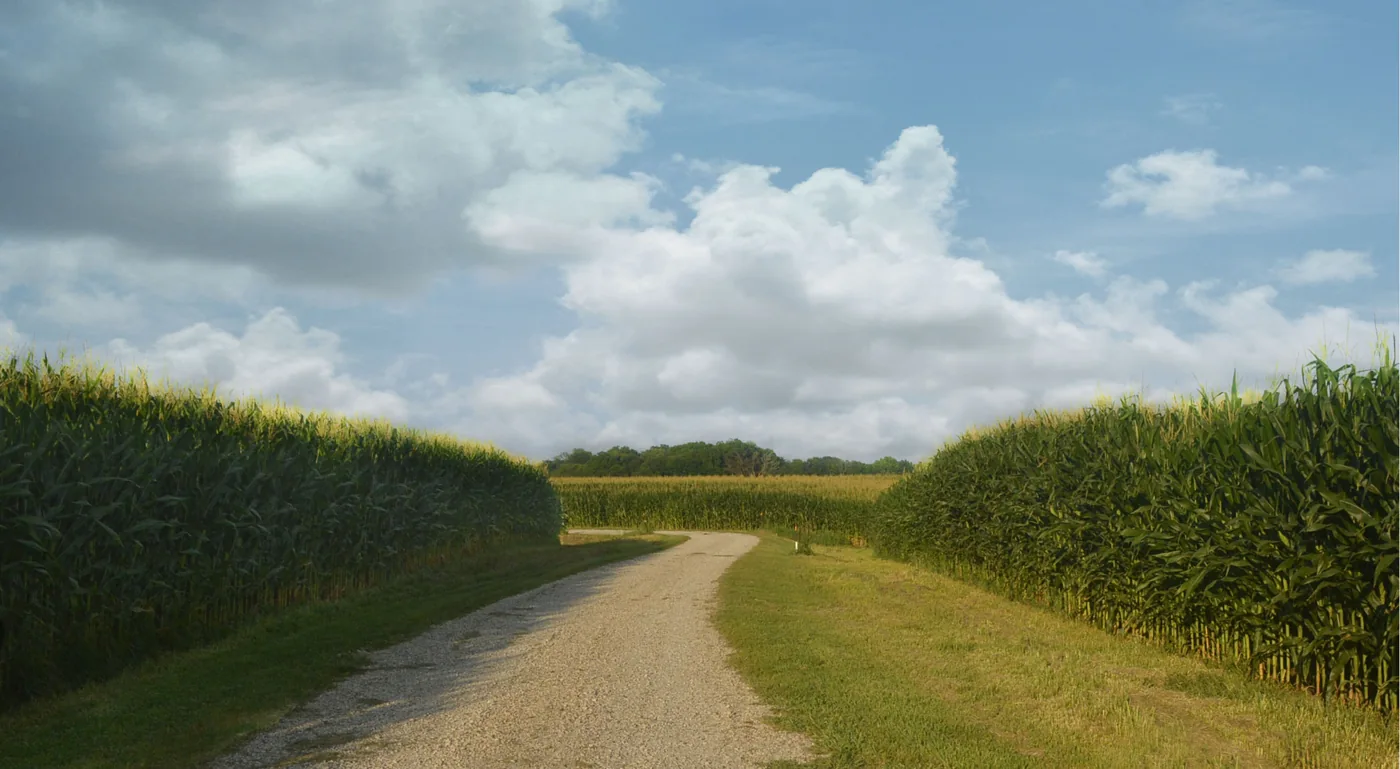
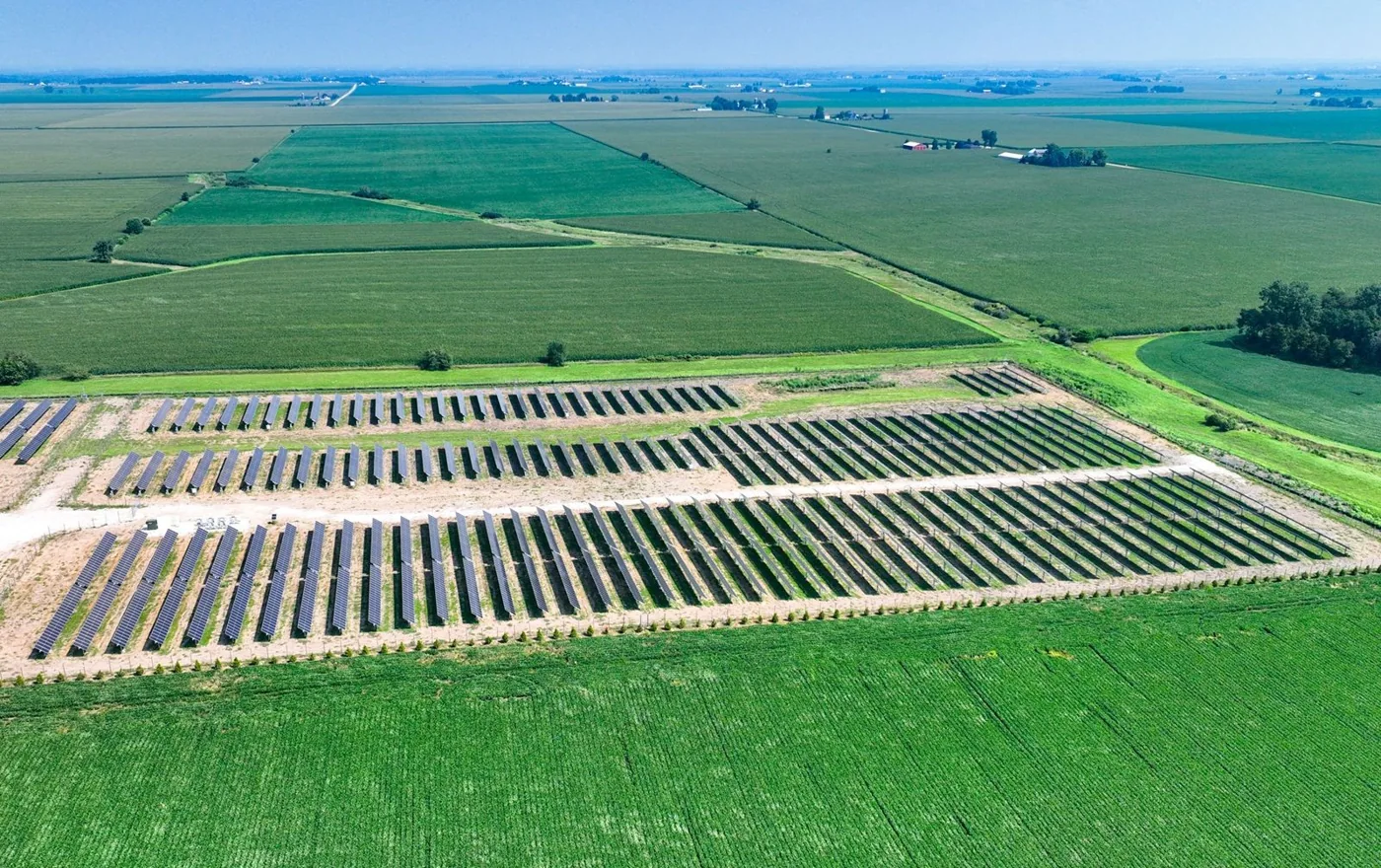
These photographs show different Illinois locations. They illustrate land-use choices and are not a before-and-after record of the Glenwood project.
STEWARDSHIP IS PART OF THE DECISION
Protect the landowner.
Plan for the land’s future.
Energy development should be evaluated against the landowner’s goals, the site’s character, and a credible path to operation. Soil and drainage, neighbor impacts, responsibility for restoration, and decommissioning security belong in the conversation.
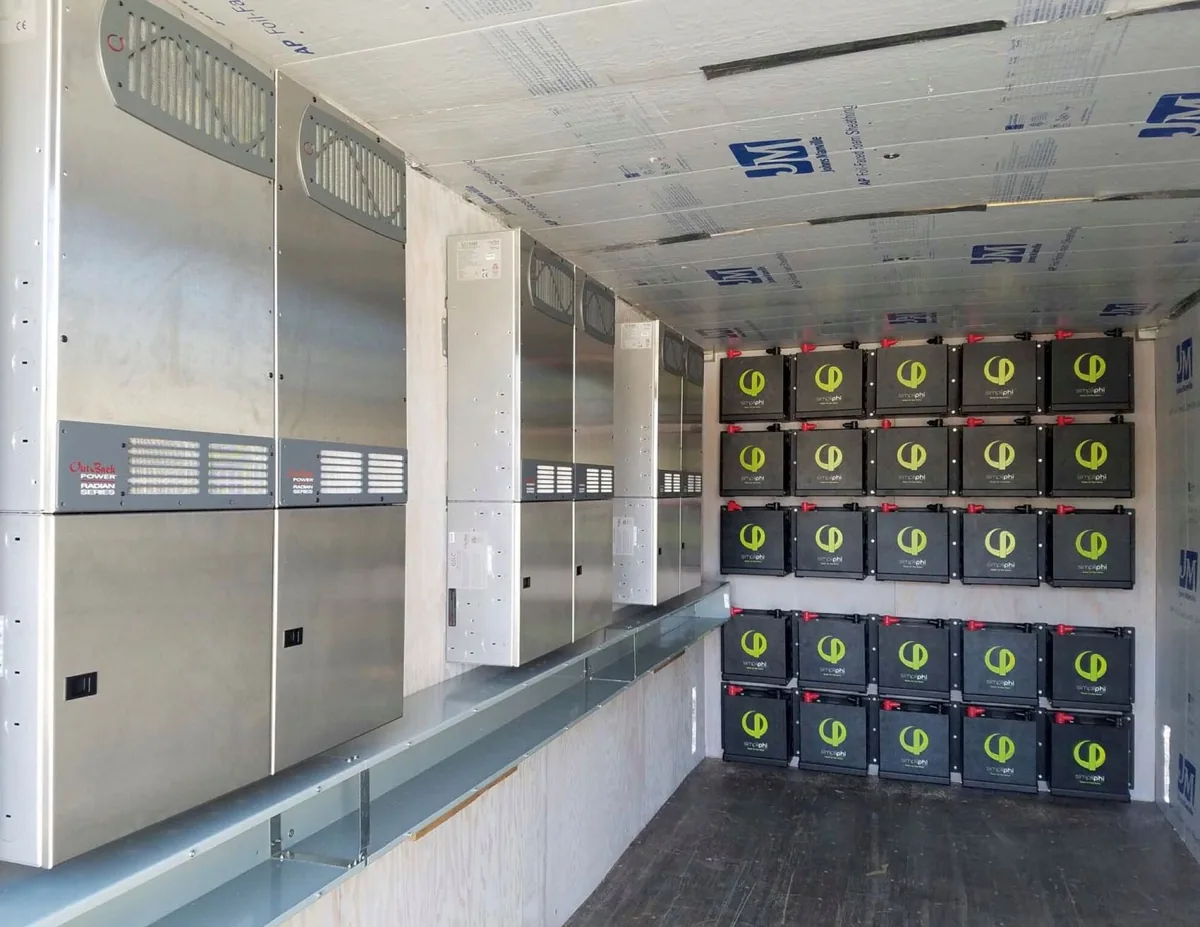
Where feasible, pollinator habitat or compatible agriculture can be considered alongside solar. Grid resilience depends on engineering, interconnection, and the right system design—including storage where appropriate.
Explore the evidence: DOE · solar and agriculture (opens in a new tab) · DOE · solar and resilience (opens in a new tab).
Stewardship belongs in the terms.
| Consideration | Questions to resolve |
|---|---|
| Landowner control | How much land is committed, which rights are granted, and how long do diligence and project rights last? |
| Site & neighbor impacts | How will access, drainage, soil, construction, screening, and ongoing maintenance be addressed? |
| Compatible use | Could grazing, pollinator habitat, or other agriculture fit the particular site and system design? |
| Restoration & end of use | Who removes equipment and restores the land, to what standard, and how is that obligation supported? |
| Responsibility over time | What happens if ownership changes, the project is delayed, or the operator cannot perform? |
Tie the transaction to real milestones.
- Site & commercial fitClarify ownership objectives, site control, access, proposed use, and the parties’ responsibilities.
- Diligence & interconnectionCoordinate the studies and development-team findings needed to evaluate feasibility.
- Approvals & deliveryUnderstand agency decisions, remaining conditions, and the commitments required to proceed.
An explanatory sequence for energy real estate; the precise milestones depend on the project.
Resilience is a design objective.
Solar paired with suitable storage and controls can support continuity of power. Outage performance depends on the system’s design and operating configuration; a solar array alone does not establish backup capability.
Paladin helps connect this objective with real estate decisions while engineering, interconnection, and safety determinations remain with the responsible specialists.
Keep the benefit and the obligation together.
Energy income, land use, compatible agriculture, and restoration responsibilities belong in the same decision. Stewardship means testing the benefits for the actual site and making the long-term obligations visible before committing.
Considering solar or storage land?
Bring the parcel information, your objectives, developer discussions, and any studies already available. We can connect the opportunity with the position you need to protect.
Discuss your opportunityCall Paladin