
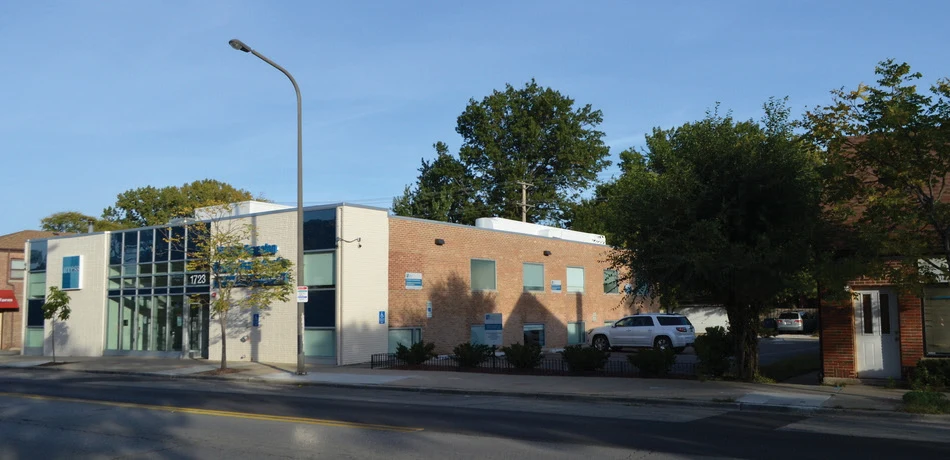
EVANSTON / MEDICAL OFFICE / COMPLETED SALE / 2018
ACCESS Medical: healthcare investment sale
A renovated healthcare property brought together specialized tenant requirements, investment income, and financing dependencies.
- Transaction
- $5.3M reported · completed 2018
- Property
- Approx. 12,050 SF · Evanston
- John’s role
- Seller representation & transaction coordination
Understand the financial layers.
For a healthcare property, a rent headline does not explain the full transaction. Lease charges, improvement financing, expense responsibilities, debt, and lender transfer requirements need to be read together.
SEE THE WHOLE FINANCIAL STRUCTURE
One property. Several layers to understand.
- Lease incomeBase rent, improvement-related rent, and other charges.
- Operating obligationsExpense responsibility, reimbursements, and reserves.
- Debt & transferLoan terms, lender consent, and the obligations that follow a sale.
- Closing certaintyEstoppels, diligence, approvals, and the final funds flow.
An underwriting framework informed by the historical ACCESS Medical engagement. Evaluate each layer against the property’s current documents.
The challenge
Present the investment merits of a single-tenant medical office building while accounting for its lease structure, specialized buildout, and financing assumptions. The approximately 12,050-square-foot property was occupied by ACCESS Community Health Network.
John’s role
Seller representation and transaction coordination, bringing lease economics, tenant considerations, lenders, and professional advisors into the diligence and closing process.
The result
The sale closed in 2018. REBusinessOnline reported the transaction at approximately $5.3 million and identified John as the broker. Historical lease and financing terms are described here as transaction considerations, rather than current investment offerings.
What this experience brings to your decision
Healthcare real estate calls for attention to the tenant’s operation as well as the investor’s income model. Paladin helps owners and buyers evaluate these connected requirements.
Which details can change the value?
Paladin’s medical-office experience informs a broader underwriting method: test each income stream, obligation, and exit assumption separately before combining them into the investment case.
| Value driver | Why it matters to an owner or buyer |
|---|---|
| Income duration | Base rent, improvement repayments, and other charges may have different end dates. Time-limited income needs its own schedule. |
| Expense responsibility | A reimbursement or reserve is different from unrestricted income. Maintenance, structural work, and other retained obligations affect the owner’s position. |
| Debt & repayment | Loan maturity, amortization, prepayment costs, and assumption requirements can affect both the funds needed and the ability to close. |
| Collateral & deposits | Pledged funds and tenant deposits carry obligations. They should be tracked separately from distributable cash and sale proceeds. |
| Options & exit value | Renewal, purchase, and first-offer provisions can change future choices and the way a buyer evaluates the investment. |
| Closing evidence | Signed amendments, tenant confirmations, lender consents, and the final closing ledger should support the assumptions used in the model. |
Facing a similar decision?
Discuss your property, operating needs, and objectives with Paladin.
Discuss your opportunityCall Paladin