
Glenwood, Illinois
What this engagement established.
John coordinated the real estate work with the development team and planned diligence around interconnection and discretionary approvals.
Rezoning, approval & community benefit.
The Village of Glenwood’s March 16, 2026 minutes record rezoning and solar special-use approval at IL Route 394 and Glenwood-Dyer Road. Each motion passed 5–0, with one abstention. Ordinance 2026-002 changed the designated parcels to M-2; Ordinance 2026-003 approved solar use for Bloom CSG 1.
The recorded developer presentation described $20,000 annually for 35 years, $50,000 toward a fitness studio, community-solar savings for ComEd subscribers, and a developer-funded decommissioning bond. These are recorded commitments, not confirmation that payments have been received or the project is operating.
Read the Village minutes, pages 4–5
John’s advocacy and engagement are described from his account. The minutes independently document the Village’s decisions and developer presentation.
Understand the opportunity.
The engagement concerned energy-related real estate coordination in Glenwood, Illinois.
Site control and commercial discussions needed to remain connected to development-team work, municipal engagement and utility dependencies.
A specific engagement.
John coordinated real estate transaction matters, engaged the development team, prepared for municipal discussions and helped plan diligence around interconnection and discretionary approvals.
Decisions addressed
Land terms, developer fit, diligence responsibilities, municipal discussion preparation and delay exposure were important to the commercial sequence.
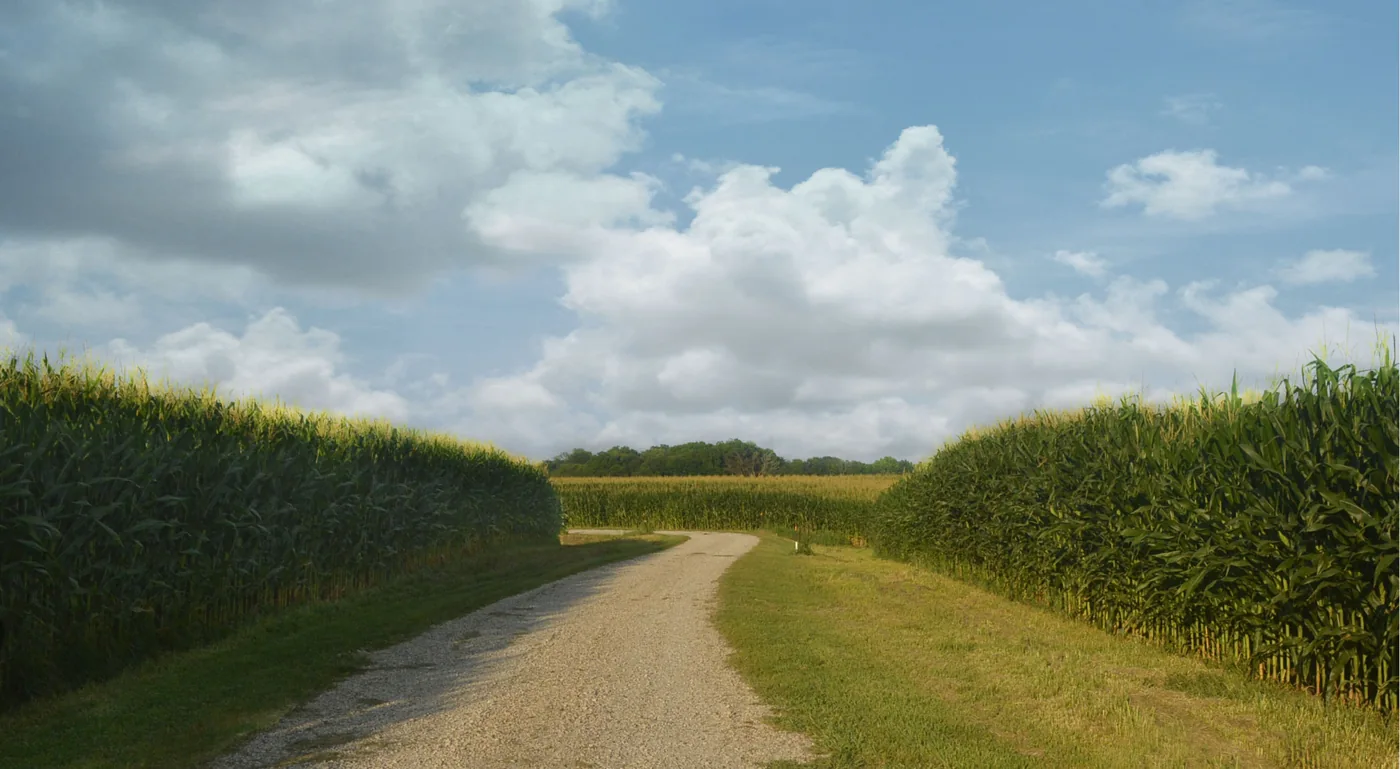
These photographs show different Illinois locations. They illustrate land-use choices and are not a before-and-after record of the Glenwood project.
What carries forward.
Site potential is not approval or utility readiness. Landowner protection requires attention to long-term stewardship, maintenance, restoration and responsibility when ownership changes.
Stewardship includes soil and drainage, neighboring uses, access, compatible agriculture or pollinator habitat where feasible, maintenance, restoration, decommissioning security and responsibility if ownership changes. Delay exposure should be visible in the commercial terms.
Solar and suitable storage can support resilience when designed and configured appropriately. Outage performance depends on engineering, interconnection, controls and system configuration—not every solar farm provides backup power automatically.
Supporting sources
- Solar and agriculture co-location — Department of Energy
- Solar and resilience basics — Department of Energy
- Representative solar photograph — Nexamp, Genoa Road Solar I
- Ordinance 2026-002
- Ordinance 2026-003
- Read the Village minutes, pages 4–5
Independent coverage and official business context are identified above. John’s role and engagement details are attributed to Paladin’s account of his experience unless specifically supported by a published source. External publishers control availability and may require a subscription.
Related expertise
BESS & solar farm real estate
↗Specialist & incentive coordination
↗Bring the decision into focus.
Share the property or business, location, objective, timing and best phone number. You do not need a fully documented package for an initial conversation.
Email Paladin about glenwood solar